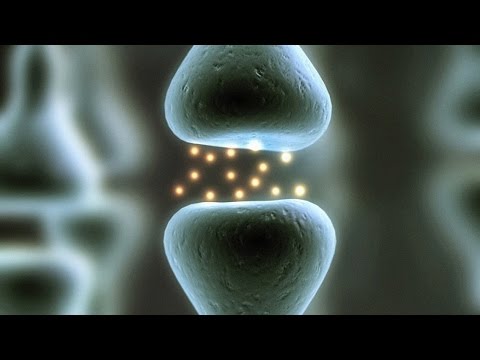
ちょうど背伸びできる難易度のコンテンツです。理想的な学習素材!
スクリプト抜粋
6 語ハイライト済みThe power of yet. I heard about a high school in Chicago where students had to pass a certain number of courses to graduate, and if they didn't pass a course, they got the grade "Not Yet." And I thought that was fantastic, because if you get a failing grade, you think: "I'm nothing. I'm nowhere." But if you get the grade "Not Yet," you understand that you're on a learning curve. It gives you a path into the future.
"Not yet" also gave me insight into a critical event early in my career, a real turning point. I wanted to see how children coped with challenge and difficulty, so I gave 10-year-olds problems that were slightly too hard for them. Some of them reacted in a shockingly positive way. They said things like, "I love a challenge," or, "You know, I was hoping this would be informative." They understood that their abilities could be developed. They had what I call a growth mindset.
But other students felt it was tragic, catastrophic. From the perspective of their more fixed mindset, their intelligence had been up for judgment and they failed. Instead of reveling in the power of yet, they were gripped in the tyranny of now.
So what do students with a growth mindset do? Well, they engage deeply. They process the error. Their brains are on fire with yet. They don't give up when something gets difficult. They rise to the challenge. They come up with creative solutions when the first approach fails. They put in the effort, and they don't see effort as something shameful.
How do we do this? There are many ways. One, we can praise wisely — not praising intelligence or talent. That has failed. Do not do that anymore. But praising the process that kids engage in: their effort, their strategies, their focus, their perseverance, their improvement.
When students fall behind, it's often mindset — not ability. And the power of "yet" can change everything. We can change the meaning of effort and difficulty. Kids just beginning to experience difficulty would fall behind otherwise — but with the right mindset, they start to love challenge.
rise to the challenge
Students with a growth mindset rise to the challenge instead of giving up.
意味
困難に立ち向かう
ニュアンス解説
課題を回避せず正面から取り組むニュアンス。ポジティブで勇敢な響き。ビジネス・教育文脈で頻出。
例文
Our team rose to the challenge and delivered the project on time.
give up
They don't give up when something gets difficult.
意味
諦める、やめる
ニュアンス解説
努力を放棄することを表す最も一般的な表現。人・目標・習慣どれにも使える万能句動詞。
例文
Don't give up on your dreams.
not yet
Instead of "I failed," she wrote "not yet." The power of yet.
意味
まだ〜ない(これから達成できる)
ニュアンス解説
Dweck の Growth Mindset の核心フレーズ。「できない」を「まだできていない」に置き換えることで、可能性を開く心理的スイッチ。
例文
I can't speak French — yet.
come up with
They come up with creative solutions when the first approach fails.
意味
〜を思いつく、考え出す
ニュアンス解説
アイデア・計画・解決策を新しく作り出すニュアンス。think of より能動的で、努力して捻り出した感が強い。
例文
She came up with a brilliant idea for the campaign.
put in effort
Students who put in effort end up performing better than those who rely on talent alone.
意味
努力を注ぐ
ニュアンス解説
effort と組むもっとも自然な動詞。make an effort より「継続的に労力を投入する」ニュアンスが強い。
例文
If you put in the effort, results will follow.
fall behind
When students fall behind, it's often mindset — not ability.
意味
遅れを取る、後れる
ニュアンス解説
時間・進捗・期待水準に追いつけない状態を表す。勉強・仕事・支払いいずれにも使える。
例文
I've fallen behind on my emails this week.
このフレーズ、3日後も言えますか?
無料アカウントを作ると、保存した表現をクイズ形式で復習できます。忘却曲線に沿って「使える英語」に変わります。
クレジットカード不要 · 30秒で登録完了
Examples
他のコンテンツを見る
 Speech
Emma Watson · HeForShe UN Speech
国連 · 2014
 上級チャレンジSpeech
Steve Jobs · Stanford Commencement
Stanford · 2005
 TED
TEDSimon Sinek · How Great Leaders Inspire
TED · 2010
 TED
TEDMatt Cutts · Try Something New for 30 Days
TED · 2011
 Speech
Malala Yousafzai · UN Speech
国連 · 2013
 TED
TEDKelly McGonigal · How to Make Stress Your Friend
TED · 2013
 TED
TEDShawn Achor · The Happy Secret to Better Work
TED · 2011
 TED
TEDKen Robinson · Do Schools Kill Creativity?
TED · 2006
 TED
TEDBrené Brown · The Power of Vulnerability
TED · 2010
 TED
TEDAmy Cuddy · Your Body Language May Shape Who You Are
TED · 2012
 TED
TEDElizabeth Gilbert · Your Elusive Creative Genius
TED · 2009
 TED
TEDChimamanda Adichie · The Danger of a Single Story
TED · 2009
 Speech
J.K. Rowling · Harvard Commencement Speech
Harvard · 2008
 Speech
Michelle Obama · DNC Keynote Speech
DNC · 2016
 Speech
Randy Pausch · The Last Lecture
Carnegie Mellon · 2007
 上級チャレンジSpeech
Barack Obama · Farewell Address
Chicago · 2017
 上級チャレンジSpeech
Elon Musk · USC Commencement Speech
USC · 2014
 上級チャレンジSpeech
Oprah Winfrey · Stanford Commencement Speech
Stanford · 2008
 上級チャレンジSpeech
David Foster Wallace · This is Water
Kenyon · 2005
 上級チャレンジSpeech
Carl Sagan · Pale Blue Dot
NASA · 1990
 Vlog
VlogEmma Chamberlain · i got rid of (almost) everything
Vlog · Emma Chamberlain
 Podcast
MKBHD · iPhone 15 Pro Review
Tech · Marques Brownlee
 Podcast
Jenna Ortega · Hot Ones
Interview · First We Feast
 Podcast
Sydney Sweeney · Hot Ones
Interview · First We Feast
 TED
TEDTim Urban · Master Procrastinator
TED · 2016
 TED
TEDDan Gilbert · The Surprising Science of Happiness
TED · 2004
 TED
TEDJulian Treasure · How to Speak
TED · 2013
 News
NewsVox · 2023, in 7 Minutes
News · Vox